STEP
FIVE
Develop
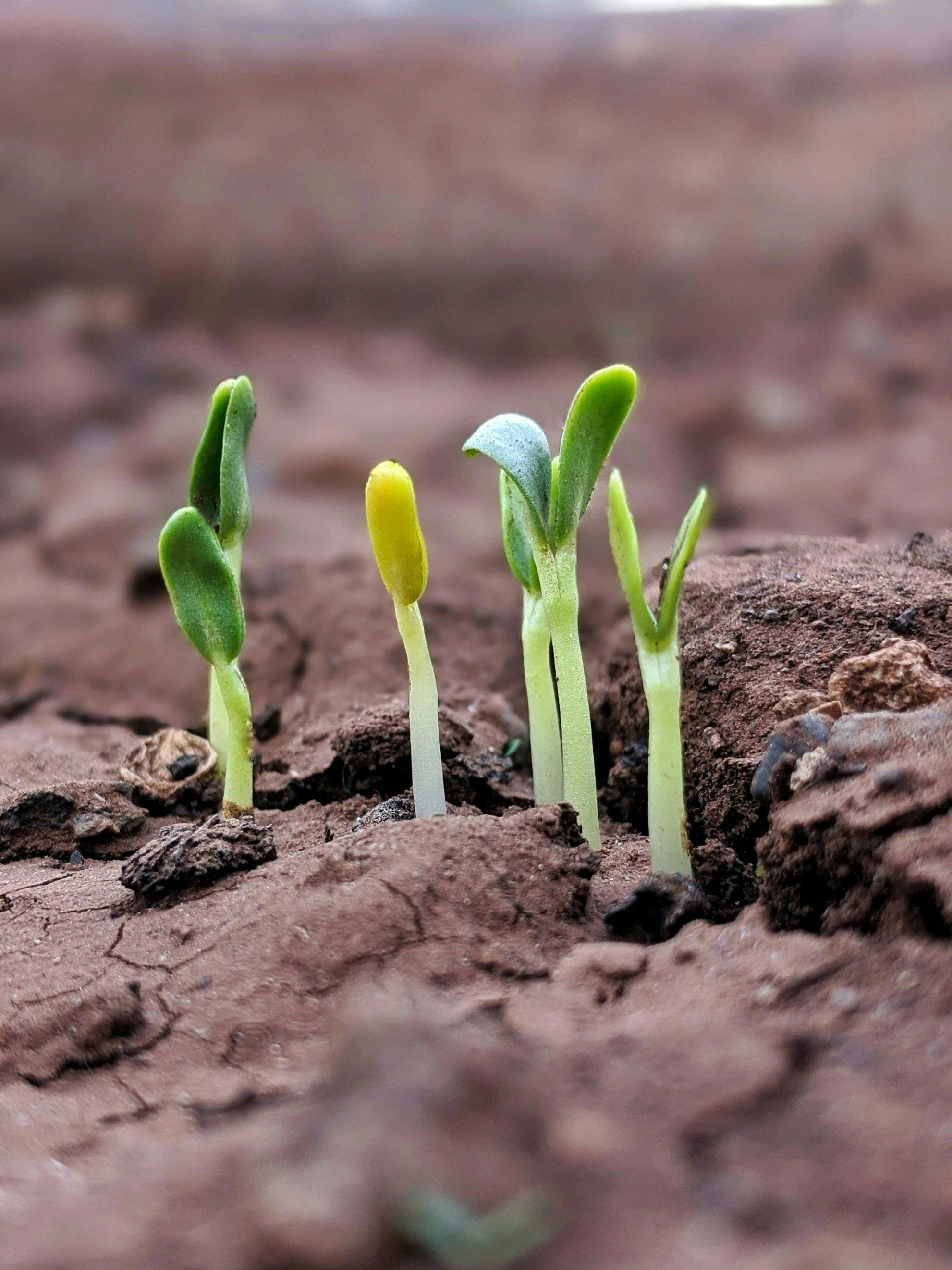
Develop People, Not Just Programs.
One of the easiest ways to create an unhealthy organization is to allow a small group of capable people to carry everything.
Eventually those leaders become overloaded, other people remain underdeveloped, succession becomes difficult, and the church's ability to grow becomes dependent on the capacity of a few key individuals.
Develop changes that.
This stage of the Breaking Silos Church Health System helps churches intentionally identify potential leaders, understand where they are in their development, give them meaningful opportunities to grow, and create a pathway toward greater responsibility.
Leadership development is more than finding someone to fill an open position. It's helping people discover their gifts, build competence, develop character, receive coaching, and gradually carry greater responsibility with appropriate support.
The goal is a church where leadership continues to multiply rather than becoming concentrated at the top.
Don't just find people to do the work. Develop people who can carry the mission.
Development Tools
-

Delegation & Empowerment Worksheet
Move responsibility into the hands of others.
Healthy delegation is more than handing someone a task. This worksheet helps leaders decide what to delegate, who is ready to take it on, what authority comes with the responsibility, and what support is still needed. The goal is to move from simply assigning work to genuinely empowering people to lead.
-

Leadership Development Plan
Turn leadership potential into intentional development.
Leadership development rarely happens by accident. The Leadership Development Plan helps create an individualized path for a developing leader by identifying strengths, growth areas, goals, experiences, coaching needs, and practical next steps.
-

Leadership Readiness Assessment
Determine what someone is ready to carry next.
Potential and readiness aren't always the same thing. This assessment helps evaluate a developing leader's character, competence, relational health, leadership capacity, and current level of readiness before increasing responsibility. It helps leaders answer an important question: What can this person carry well right now, and what still needs development?
-

Leadership Pipeline Map
Build a pathway instead of waiting for leaders to appear.
The Leadership Pipeline Map helps churches define the stages through which people can grow from participation into increasing levels of service and leadership. It makes leadership development visible and gives leaders a way to identify where people currently are, what comes next, and where the pipeline may be breaking down.
-
Ministry Health Review
Evaluate whether ministries are developing people or depending on a few.
A ministry can appear successful while quietly becoming dependent on one leader or a small group of volunteers. The Ministry Health Review helps leaders evaluate the strength, sustainability, leadership depth, volunteer development, and overall health of individual ministry areas.
The Outcome of Development
A healthy leadership system should make the organization less dependent on a handful of people over time, not more dependent on them.
Develop creates intentional pathways for people to grow, gives emerging leaders meaningful responsibility, strengthens individual ministries, and prepares the next generation of leaders before they're desperately needed.
It also changes an important leadership question.
Instead of asking:
“Who can I find to do this?”
We begin asking:
“Who can I develop to lead this?”